

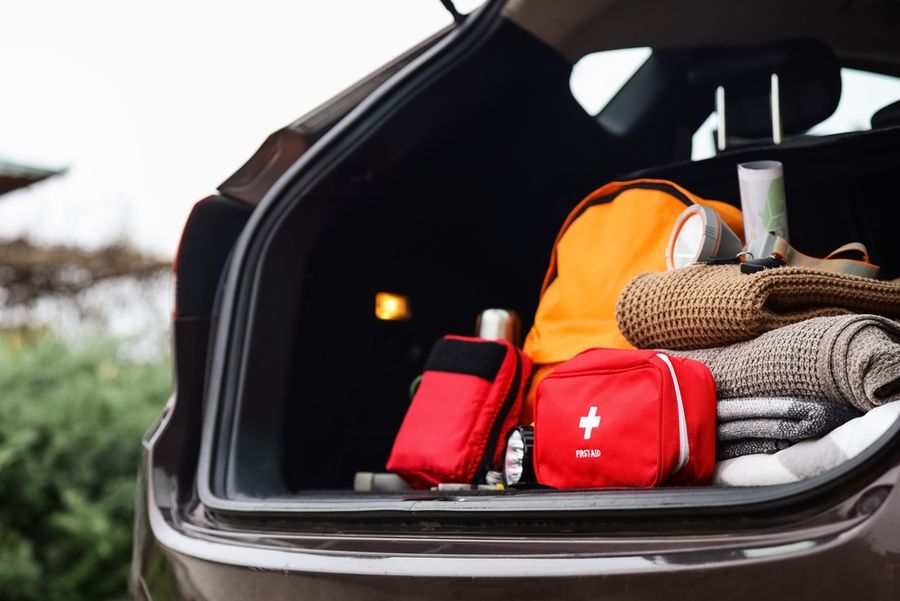
A roadside emergency can turn an ordinary drive into a long, stressful wait. A flat tire, dead battery, sudden storm, or unexpected breakdown may leave you far from stores and immediate help. This is why having an emergency kit in your car is essential. A well-planned kit gives you practical tools for staying visible, contacting assistance, handling minor problems, and remaining comfortable until support arrives. The best setup shouldn't be complicated but rather a compact collection chosen for your vehicle, climate, and typical driving routine.
Start With Communication and Roadside Visibility
Your first priorities during a breakdown are letting others see you and contacting someone who can help. Keep a reliable phone charger in the cabin rather than buried beneath luggage. A charging cable that fits your current phone is useful, but a fully charged power bank adds further protection when the vehicle has lost power. Also, store emergency contact numbers in your phone and on paper, including roadside assistance, insurance, trusted relatives, and local emergency services. A flashlight with fresh batteries can help you inspect the area, find supplies, or signal for attention after dark.
Visibility equipment belongs in every roadside kit too. Reflective warning triangles are reusable, easy to store, and less complicated than traditional flares. A reflective vest can help other motorists notice you if you must step outside the vehicle. Keep essential items where you can reach them without unloading the entire trunk.
Pack Tools for Common Battery and Tire Problems
Battery and tire trouble account for many situations drivers can prepare for without carrying a full mechanic’s toolbox. Jumper cables are affordable and compact, but they require another vehicle and correct connection. A portable jump pack is a better choice and can offer more independence, provided it’s charged and rated for your engine. Add work gloves, a small tool set, duct tape, and a clean rag for simple tasks. Tools should support temporary problem solving, not encourage repairs that exceed your knowledge or create extra danger beside traffic.
For tire trouble, confirm that your vehicle actually has a spare, jack, and lug wrench. Some newer vehicles use inflator kits instead of spare tires, and supplies may expire or become damaged. Be sure to learn where the equipment is stored and read the owner’s manual before an emergency happens. Keep a tire pressure gauge and consider a portable inflator for slow leaks or low pressure.
Add a Practical First Aid and Personal Care Kit
A car first aid kit should handle minor cuts, scrapes, blisters, and other small injuries until professional care is available. Useful basics include:
- Adhesive bandages in several sizes
- Sterile gauze
- Medical tape
- Antiseptic wipes
- Disposable gloves
- Scissors
- Tweezers
- An instant cold pack
Include any personal supplies your household might need, such as allergy medication, prescribed medicine, or backup eyeglasses. Medications shouldn’t be stored in a hot or freezing vehicle unless their labels and your pharmacist confirm that the conditions are safe.
The American Red Cross vehicle-kit recommendations also stress checking expiration dates and replacing damaged supplies. A first aid instruction card can help when stress makes it hard to remember basic steps, although a kit can’t replace proper training. Add hand sanitizer, tissues, wipes, menstrual products, diapers, or pet waste bags based on who regularly rides with you. Also, seal liquids and medical products in a sturdy pouch so leaks don’t ruin the rest of the kit. Finally, store first aid supplies in the cabin if possible, where passengers can reach them quickly.
Prepare for Heat, Cold, and Long Waits
Roadside kits should provide basic comfort when a tow truck, emergency crew, or family member can’t arrive quickly. Pack drinking water and shelf-stable snacks such as crackers, energy bars, dried fruit, or other foods suitable for your household. Don't forget to have water and food for your pets. Just be sure to replace anything that has passed its best-by date, melted, leaked, or attracted pests.
Additionally, a lightweight emergency blanket takes little space and can help in cooler conditions, while an extra sweatshirt, rain poncho, sturdy shoes, and work gloves offer practical protection. That said, never rely on the emergency kit as a reason to drive into dangerous weather.
Seasonal items make a basic kit far more useful. Winter drivers may need an ice scraper, snow brush, small shovel, warm hat, thick socks, and traction material such as sand or non-clumping cat litter. Hot-weather additions can include sunscreen, a wide-brimmed hat, cooling towels, and extra water carried safely.
Keep Important Information and Backup Power Close
Technology makes it easier to call for help, share a location, and look up instructions, but a roadside kit should still work when a phone is dead or reception is poor. Keep a paper map for areas you travel frequently, especially rural routes and unfamiliar road-trip destinations. A pen and small notepad can also help record a mile marker, vehicle description, witness information, or details after a minor collision. For longer trips, consider downloading offline maps so navigation remains available without a cellular signal.
Store copies of information you may need, but protect personal data carefully. Your current registration and insurance documentation should follow local requirements, while a separate emergency card can list whom to contact and any critical passenger needs. Avoid leaving unnecessary financial records or documents containing sensitive identifiers in the car. Additionally, a power bank should be recharged regularly and kept away from extreme heat whenever possible.
Customize the Kit and Check It Regularly
A useful emergency kit reflects where you drive and who comes along. For example:
- Families with babies may need formula, diapers, and comfort items.
- Pet owners can add a collapsible bowl, leash, bottled water, food, waste bags, and a copy of vaccination information.
- Drivers who travel through remote areas may want a hand-crank radio, extra food, stronger weather protection, and more backup power.
- Commuters in crowded cities may prioritize a compact kit, reflective gear, comfortable walking shoes, and a reliable power bank.
- Local terrain, wildfire risk, winter storms, flooding, and long distances between services should also influence your choices.
Always inspect the kit at the start of each season and before major road trips. Recharge electronics, test flashlights, replace old batteries, check medication and snack dates, and confirm that clothing still fits regular passengers. Also make sure the spare tire is properly inflated and that tools haven’t been removed during cleaning or maintenance. Keep everything in a secured bin or bag so supplies don’t roll around, become damaged, or create a hazard during sudden braking.
Roadside Emergency Kit Checklist:
- Phone charging cable and charged power bank
- Flashlight and spare batteries
- Reflective warning triangles
- Reflective safety vest
- First aid kit
- Jumper cables or a jump pack
- Tire gauge and tire-changing tools
- Drinking water and shelf-stable snacks
- Blanket, gloves, and seasonal supplies
- Paper map and written emergency contacts
Prepared Miles Are Safer Miles
A roadside kit can’t prevent every breakdown, but it can make an unexpected stop easier to manage. Focus first on communication, visibility, basic tools, first aid, water, warmth, and reliable backup power. Add supplies suited to your climate, passengers, pets, and usual routes, then review the kit as seasons and driving habits change. A small amount of preparation can give you more options, greater comfort, and valuable peace of mind whenever the road doesn’t go as planned.
We created this article in conjunction with AI technology, then made sure it was fact-checked and edited by a TopicTangent editor.