

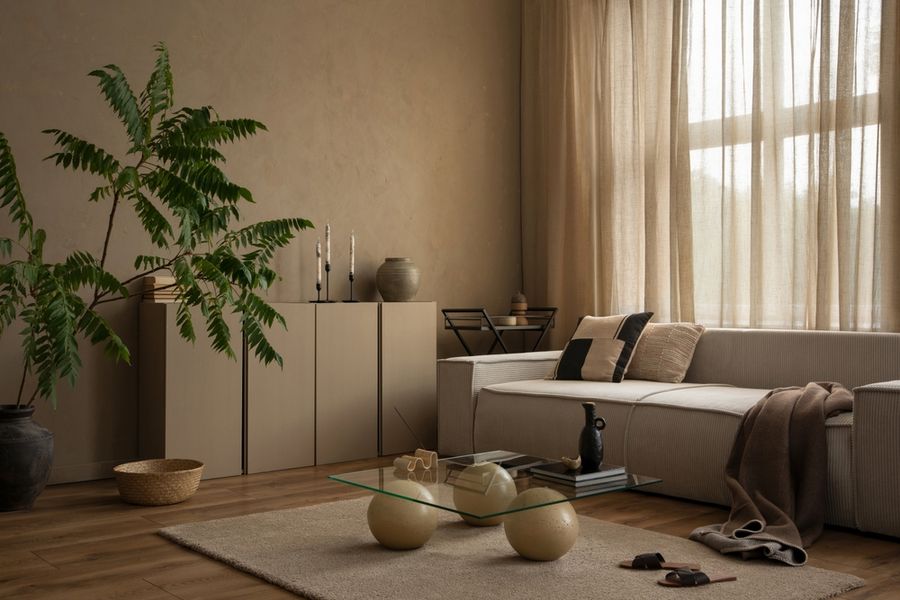
Window coverings do more than finish a room. They control how much sunlight enters, limit outside views, and can help reduce heat loss or unwanted warmth near the glass. Curtains, blinds, shades, and shutters each offer a different balance of comfort, style, and daily convenience. Choosing well starts with the room’s main problem, followed by a close look at fit, fabric, controls, and upkeep before you buy anything.
First Decide What the Room Needs Most
Before buying anything, start by choosing the main job your window covering needs to handle. A bedroom may need strong light blocking, while a street-facing living room may need daytime privacy without feeling dark. A home office often needs glare control, and a drafty room may benefit most from added insulation.
Also think about when the problem occurs. Sheer fabric may block outside views during the day, but it may offer little privacy after indoor lights come on. Blinds can redirect sunlight, yet they may not add much warmth near cold glass. Most coverings can help in several ways, but one feature will usually matter more than the others.
Your main priority will likely be:
- Light control
- Daytime or nighttime privacy
- Insulation and comfort
- Easy cleaning
- Decorative style
- Child and pet safety
Main Window Covering Options Compared
The table below offers a quick look at how common window coverings handle light, privacy, and insulation. However, exact performance will depend on the material, fit, lining, and installation.
|
Window covering |
Light control |
Privacy |
Insulation |
Best for |
|---|---|---|---|---|
|
Sheer curtains |
Low to moderate |
Low at night |
Low |
Bright living spaces |
|
Blackout curtains |
High |
High |
Moderate |
Bedrooms and media rooms |
|
Blinds |
High |
Moderate to high |
Low |
Adjustable daylight |
|
Roller shades |
Moderate to high |
High when closed |
Low to moderate |
Clean, simple rooms |
|
Roman shades |
Moderate to high |
High |
Moderate |
Decorative spaces |
|
Cellular shades |
Moderate to high |
High |
High |
Drafty or sunny rooms |
|
Shutters |
High |
High |
Moderate to high |
Long-term use |
|
Layered coverings |
Very high |
Very high |
High |
Rooms with several needs |
No option wins every category. The right choice depends on which feature matters most in the room.
Curtains and Drapes Offer Softness and Flexibility
Curtains are a practical choice when you want to add color, texture, or softness to a room. Sheer panels filter bright sunlight while keeping a space open and airy. Thicker curtains can reduce glare and improve privacy, while blackout-lined panels work well in bedrooms and television rooms.
Fabric weight and fit affect performance. Curtains that extend past the window frame and hang close to the wall will usually block more light than narrow panels. Floor-length drapes may also reduce the uncomfortable cold or warmth felt near a window.
Insulated curtains can help too, but they won’t repair air leaks around the frame. For stronger results, pair them with well-fitted shades or seal visible gaps. Also, it's best to choose washable fabric for kitchens, children’s rooms, or homes with pets.
Blinds Give You Precise Light Control
Blinds are one of the most adjustable choices because their slats can be tilted throughout the day. You can direct light toward the ceiling, reduce screen glare, or close the slats for greater privacy. Horizontal blinds work well on standard windows, while vertical blinds suit wide windows and sliding doors.
Wood blinds add warmth and texture, but they may not be ideal in damp bathrooms. Faux wood, vinyl, and aluminum styles are usually easier to clean and may handle moisture better. Wider slats can also be faster to dust than narrow ones.
Blinds provide good control over light, but the gaps between slats limit insulation. Conventional vinyl or metal blinds can block some solar heat but generally provide less insulation than cellular shades.
Shades Create a Clean, Simple Finish
Shades use one continuous piece of material rather than separate slats. Roller shades have a neat shape and come in light-filtering, room-darkening, and blackout fabrics. Roman shades fold into soft sections when raised, giving a room a more decorative look.
Further, top-down, bottom-up shades are useful for rooms near sidewalks or neighboring homes. You can cover the lower part of a window for privacy while leaving the top open for daylight. Solar shades reduce glare and bright sunlight, but their open weave may allow outside views at night.
Careful measuring is important because light can enter through gaps around the edges. An outside mount can cover more of the frame, while an inside mount creates a cleaner look. Choose the mount based on whether style or light blocking matters more.
Cellular Shades Stand Out for Insulation
Cellular shades, also called honeycomb shades, contain rows of small fabric pockets. Those pockets hold air between the room and the glass, which can reduce heat movement and cold drafts near the window. They’re often a strong choice for older windows, bedrooms, and rooms that feel uncomfortable during seasonal temperature changes.
Single-cell shades provide some insulation, while double-cell designs create an extra layer. Blackout cellular shades can also improve bedroom darkness, although side gaps may still let in narrow lines of light.
Well-fitted cellular shades can reduce nighttime heat loss, limit unwanted solar heat gain, and provide greater heating-energy savings than standard vinyl blinds. For easier comparison, look for products with tested energy-performance ratings rather than relying only on words such as “thermal” or “insulated.”
Shutters Provide Privacy and Long-Term Durability
Interior shutters are fixed to the window frame and contain adjustable louvers. Tilting the louvers lets you manage sunlight and privacy without raising the entire covering. When closed, shutters create a solid visual barrier that works well in bedrooms, bathrooms, and street-facing rooms.
They're also available in a variety of materials. Wood shutters have a warm, classic appearance. Composite and vinyl options may be more suitable for humid spaces because they’re less sensitive to moisture. Shutters are also easy to wipe clean, which can make them practical for kitchens and homes with allergies.
The main drawback is cost. Most shutters need to be measured and fitted for a particular window, so they’re less flexible than standard curtains or blinds. However, their sturdy construction can make them a long-lasting choice for homeowners who don’t plan to change styles often.
Layer Two Coverings for Better Results
Layering can solve several window problems without forcing one product to do everything. A shade can provide everyday light control and privacy, while curtains add softness, insulation, and stronger nighttime coverage. The combination also lets you change the room throughout the day.
For a bedroom, try a blackout roller or cellular shade with full-length curtains. In a living room, sheer curtains can soften daylight while heavier side panels close after dark. A blind paired with curtains gives you precise control without making the window look too plain.
That said, keep the setup simple enough to use. Too many layers can crowd the frame, block handles, or make the window difficult to open. Ultimately, choose the functional covering first, then add a second layer only when it clearly improves style, darkness, warmth, or privacy.
Measure Carefully Before Ordering
Even a high-quality covering may perform poorly when it doesn’t fit. Be sure to measure the window at the top, middle, and bottom because frames aren’t always perfectly square. Follow the product’s measuring instructions instead of relying on one quick width and height measurement.
Further, if energy performance is important, look for independently tested products. Energy-rating labels can help shoppers compare how window attachments affect heating, cooling, air leakage, and visible light. A good fit often matters just as much as the material itself.
A Better Balance at Every Window
The best window covering is the one that solves the room’s biggest problem without making daily use harder. Blinds offer precise light control, curtains add softness, cellular shades support insulation, and shutters provide durable privacy.
Layering may be the strongest choice when you need several benefits at once. Before buying, consider the room, window size, moisture level, cleaning needs, and safety concerns. A thoughtful choice can improve comfort, privacy, and style for years without requiring a major home update.
We created this article in conjunction with AI technology, then made sure it was fact-checked and edited by a TopicTangent editor.