

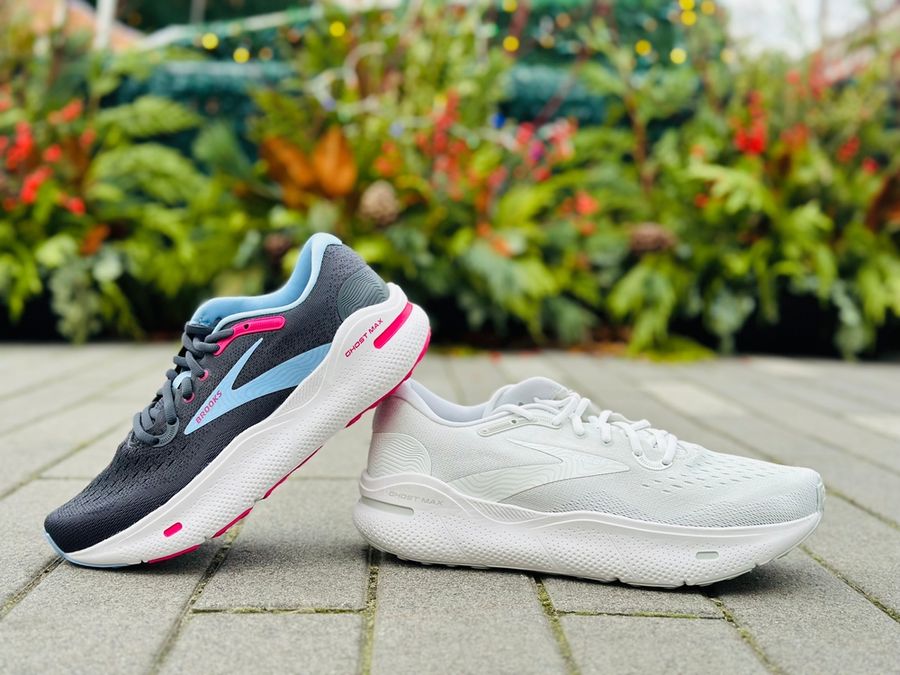
A daily walking routine can fall apart fast if your shoes rub, feel flat, or leave your feet tired after a few blocks. Many U.S. shoppers now face a crowded wall of running shoes, walking shoes, slip-ons, and cushioned sneakers that all claim to work for fitness walking. By evaluating comfort over repeated use, support for steady walking, and value for the price, you can find the right pair.
At a Glance: Walking Shoes Compared
Extra preference has been given to shoes that feel practical for real routines, such as morning neighborhood walks, lunch-break steps, errands, and weekend park loops. A good walking shoe should make it easier to repeat the habit tomorrow.
|
Rank |
Option |
Best For |
Starting At |
Standout Feature |
|---|---|---|---|---|
|
1 |
Brooks Ghost Max 2 |
Most walkers |
Stable cushion |
|
|
2 |
Skechers GO WALK Arch Fit 2.0 |
Lower budgets |
Slip-on ease |
|
|
3 |
Hoka Bondi 9 |
Plush comfort |
Max cushioning |
|
|
4 |
New Balance Fresh Foam X 880v15 |
Wide feet |
Width options |
|
|
5 |
ASICS GEL-Kayano 32 |
Extra stability |
Guided support |
The 5 Best Walking Shoes Right Now
These picks all support daily movement without forcing you into a racing shoe. The right choice depends on your foot shape, walking surface, pace, and how long you stay on your feet.
1) Brooks Ghost Max 2: Best for Most People
The Brooks Ghost Max 2 is the top pick because it combines soft cushioning with a broad, stable base. That matters for walkers who want comfort without a wobbly feel. The rocker-style sole helps smooth the step forward, which can make longer walks feel less choppy. The main drawback is price, since it costs more than basic walking shoes.
Pros:
- Stable cushioned ride
- Smooth heel-to-toe feel
- Good daily comfort
Cons:
- Not a budget pick
- Chunkier than casual shoes
Best for: Someone building a daily neighborhood walking routine who wants one supportive shoe for fitness walks and errands.
2) Skechers GO WALK Arch Fit 2.0: Best for Lower Budgets
The Skechers GO WALK Arch Fit 2.0 is the easiest pick for walkers who want comfort without paying premium running-shoe prices. Many versions use slip-on designs, soft uppers, and removable insoles with noticeable arch support. It works best for casual fitness walks, travel days, and low-key daily steps. It is less ideal for fast walkers who want a firmer, more athletic ride.
Pros:
- Easy slip-on fit
- Softer underfoot feel
- Lower starting price
Cons:
- Less performance-focused
- Style varies by model
Best for: Someone who walks for general health and wants a comfortable shoe that can also handle errands and travel.
3) Hoka Bondi 9: Best for Plush Comfort
The Hoka Bondi 9 is the cushioning pick for people who want a soft, protected feel underfoot. Its thick midsole can help make pavement feel less harsh during longer walks. It's preferred for walkers who care more about comfort than ground feel. The tradeoff is bulk, since the high-cushion design can feel too tall or too soft for some people.
Pros:
- Very cushioned platform
- Good for long walks
- Soft pavement feel
Cons:
- Higher price point
- Bulky profile
Best for: Someone walking several miles on sidewalks who wants a plush shoe for tired feet and hard surfaces.
4) New Balance Fresh Foam X 880v15: Best for Wide Feet
The New Balance Fresh Foam X 880v15 is a strong fit for walkers who struggle with narrow toe boxes. New Balance often offers multiple width options, which can help reduce squeezing and rubbing. The shoe has enough cushioning for daily miles without feeling as oversized as some max-cushion models. Its limitation is that it feels more like a running shoe than a casual walking sneaker.
Pros:
- Multiple width choices
- Balanced cushioning
- Durable daily build
Cons:
- Sporty look
- Not ultra-plush
Best for: Someone whose feet swell during walks or who needs a wider fit for daily fitness walking.
5) ASICS GEL-Kayano 32: Best for Extra Stability
The ASICS GEL-Kayano 32 is the support pick for walkers who want more structure through the step. Its stability-focused design can help people who feel their feet roll inward or who prefer a guided, secure ride. It is also cushioned enough for longer walks on roads and paths. The downside is cost and weight, since stability shoes often feel more built-up than neutral models.
Pros:
- Strong stability feel
- Cushioned for distance
- Secure upper fit
Cons:
- Premium price
- Heavier daily feel
Best for: Someone who wants a structured shoe for steady walking and does not like a loose or overly soft ride.
What Didn’t Make the Cut
Nike Motiva was considered because it is built for walking and has a distinct rocker shape. However, it was left off because the rounded sole can feel unusual for some walkers, especially people who prefer a traditional, planted feel. It may still work well for casual walks, but it was not as broadly useful as the five picks above.
Editor’s Pick: The Brooks Ghost Max 2 is the best overall choice because it gives most walkers the right mix of cushion, stability, and smooth movement. The Skechers GO WALK Arch Fit 2.0 is the better first buy if price and easy slip-on wear matter more than a performance feel.
What You’ll Actually Pay
Expect to pay about $85 to $175 for the shoes on this list, based on current U.S. retail pricing. The Skechers pick sits near the lower end, with the GO WALK Arch Fit 2.0 Cassy averaging around $85. Premium cushioned and stability shoes sit higher: Hoka lists the Bondi 9 at around $175, while ASICS lists the GEL-Kayano 32 as its current stability model and retails it for about $165.
Most daily walkers do not need the most expensive shoe on the wall. If you walk 20 to 40 minutes a day, a supportive shoe around $120 to $150 can be a practical middle ground, with the Brooks Ghost Max 2 originally priced at $150 and New Balance listing the Fresh Foam X 880v15 at about the same price. Spend more only if you need extra cushioning, a wider fit, or added stability.
How to Choose the Right Walking Shoes for You
If your walks are short and casual, lean toward a lighter, simpler shoe with easy comfort. If you walk on concrete for longer stretches, prioritize cushioning and a stable base over style. A shoe that feels great for a store lap may not feel the same after 45 minutes on pavement.
If your feet feel squeezed, start with brands and models that offer wide sizes. If your arches collapse inward or your ankles feel unstable, try a structured stability shoe before choosing a softer neutral model. If you use custom orthotics, look for removable insoles and enough depth inside the shoe.
If you are starting a weekday routine before work and plan to walk mostly on sidewalks, choose the Brooks Ghost Max 2 because it gives cushion without feeling unstable. If you are mainly walking through stores, airports, or flat indoor spaces, the Skechers GO WALK Arch Fit 2.0 is easier to wear and costs less.
Frequently Asked Questions
Are running shoes good for walking? Yes, many running shoes work well for walking because they offer cushioning, support, and durable outsoles. Avoid racing shoes or very soft shoes if they feel unstable at a walking pace.
How should walking shoes fit? You should have a little room in front of your toes, a secure heel, and no pinching across the widest part of your foot. Try shoes later in the day if your feet tend to swell.
Do I need arch support for daily walking? Some walkers feel better with clear arch support, while others prefer a neutral platform. If your feet ache through the arch or inside ankle, a more supportive shoe may feel better than a soft, flat one.
Take a Test-Walk Before You Buy!
Before buying, take your current walking shoes to a store and compare the sole wear, heel shape, and fit against a fresh pair. Then walk two full laps around the store in your top choice, because the right shoe should feel comfortable before your routine asks it to work harder.
We created this article in conjunction with AI technology, then made sure it was fact-checked and edited by a TopicTangent editor.