

A snack labeled high in protein may sound like an automatic answer to afternoon fatigue or hunger. Protein matters, but the rest of the snack matters too. A useful option combines a clear protein source with enough carbohydrate, fiber, or fat to feel satisfying, fit the time between meals, and work in a real schedule. Without that balance, a snack may be too small to help or so large that it replaces your appetite for the next meal.
The Simple Formula for a More Satisfying Snack
Start with one recognizable protein food, then add fruit, vegetables, or a whole-grain food for carbohydrate and fiber. Add a modest source of fat when it is not already present, as with nuts, seeds, or nut butter.
Choose a portion that matches your hunger and the time until your next meal. A snack cannot guarantee constant energy, but a balanced combination is more likely to feel substantial than a refined carbohydrate or sugary item eaten alone.
Why Protein Works Better as Part of a Combination
Protein supplies amino acids that the body uses to build and repair cells. It can come from animal foods, including milk and eggs, or plant foods, including soy, beans, legumes, nut butters, and some grains. Balancing protein intake across the whole day matters more than forcing it into every eating occasion.
For snack planning, protein is useful because it can make a small eating occasion feel more satisfying. For workday snacking, it's recommended to pair a protein food with a complex carbohydrate such as fruit or whole-grain crackers, rather than relying on refined carbohydrates alone.
Carbohydrate still has a role. Fruit, beans, and whole grains provide fuel, while many of those foods also contribute fiber. Fat from nuts, seeds, dairy, or hummus can add flavor and make the combination more substantial. The useful pattern is not protein instead of everything else. It is protein plus a supporting food that makes the snack enjoyable and complete enough for the moment.
“Steady energy” should be treated as a practical description, not a promise about blood sugar or performance. A snack is only one part of how a person feels during the day. It may help with ordinary hunger between meals, but repeated fatigue that does not improve with rest and regular meals deserves a conversation with a health professional.
6 Simple Protein-Rich Snack Ideas for Busy Days
Each combination uses ordinary foods and requires little cooking. Adjust the amount to your appetite, and use unsweetened or lightly sweetened versions when that choice is available. The ideas include both animal-based and plant-based options because protein can come from either source.
1. Plain Greek Yogurt With Berries and Seeds
Spoon plain Greek yogurt into a bowl, then add berries and a small sprinkle of pumpkin, sunflower, chia, or hemp seeds. The yogurt supplies the main protein, the fruit adds carbohydrate and fiber, and the seeds bring texture and fat. Cinnamon or vanilla extract can add flavor without turning the snack into dessert.
2. Apple or Pear Slices With Nut or Seed Butter
Slice an apple or pear and pair it with peanut, almond, or sunflower seed butter. Fruit makes the snack fresh and portable, while the spread adds protein and fat that can make it feel more satisfying. Choose seed butter when peanuts or tree nuts are not suitable, and always follow allergy rules for the setting where the snack will be eaten.
3. Cottage Cheese With Vegetables and Crackers
Pair cottage cheese with sliced cucumber, cherry tomatoes, bell pepper strips, or another crisp vegetable. Add a few whole-grain crackers when you need a more substantial bridge to the next meal. A savory seasoning such as black pepper, dried herbs, or paprika can make the combination feel different from a sweet dairy snack.
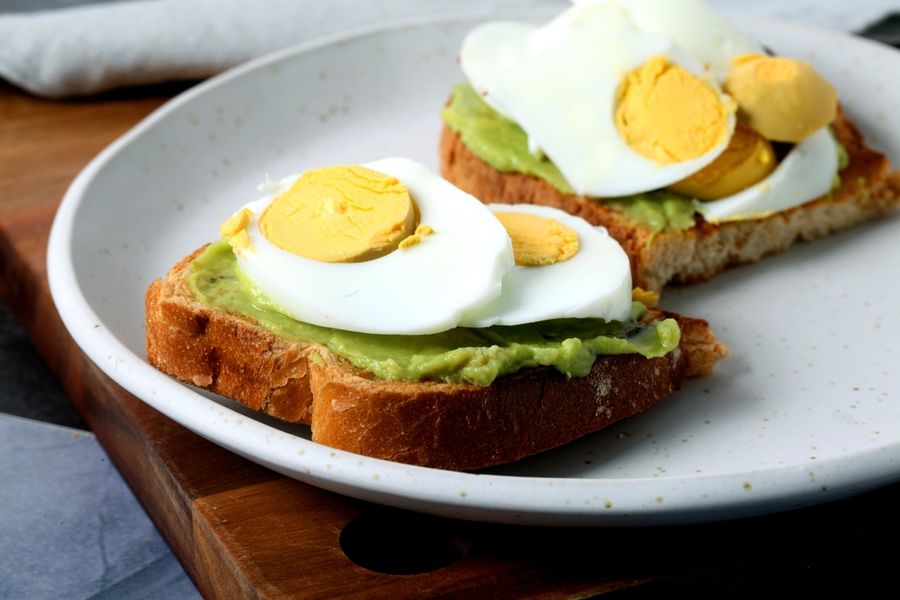
4. A Hard-Boiled Egg With Toast and Peppers
Top a small piece of whole-grain toast with sliced hard-boiled egg, or pack the egg with whole-grain crackers. Add bell pepper strips or another vegetable for crunch. Pack the ingredients separately when you want to keep the toast or crackers crisp until snack time.
5. Edamame With a Mandarin or Orange Slices
Prepare frozen shelled edamame according to the package directions, let it cool, and season it lightly with herbs or spices. Pair it with a mandarin or orange for a mix of plant protein, carbohydrate, and fresh flavor. The combination is dairy-free and easy to portion into a reusable container.
6. Hummus, Roasted Chickpeas, and Crunchy Vegetables
Use hummus as a dip for carrots, cucumber, snap peas, or bell peppers, then add a small handful of roasted chickpeas. Hummus alone can be a light snack, while the extra chickpeas make the protein source more noticeable and add crunch. A small piece of whole-grain pita can make the plate more filling when the next meal is several hours away.
Protein Snack Myths That Can Work Against You
More protein always creates more energy.
The reality: Protein contributes to satisfaction, but it does not act like caffeine or replace sleep, hydration, or enough food overall. An item with protein but little carbohydrate may also feel less useful when you need readily available fuel before physical activity.
A protein label means the product is automatically a smart choice.
The reality: Serving size, added sugars, sodium, fiber, and the ingredient list still matter. FDA guidance treats the full Nutrition Facts panel as a comparison tool, so the number on the front of a package should be a starting point rather than the final decision.
Frequent grazing is the best way to stay steady.
The reality: Some people feel better with a planned snack, while others do not need one between balanced meals. Use hunger, meal timing, activity, and comfort as guides instead of eating continuously because a schedule says you should.
Match the Snack to Your Appetite and Schedule
If dinner is close and hunger is mild, fruit with nut or seed butter may be enough. If several hours remain, choose a fuller combination such as cottage cheese with vegetables and crackers, or edamame with fruit. If you prefer plant-based foods, build around soy, beans, chickpeas, nuts, or seeds rather than depending on a low-protein substitute.
Scenario recommendation: If you are a parent leaving work for school pickup and dinner is still a couple of hours away, the most important factor is portability. Pack an apple with a portion of nut or seed butter, or edamame with a mandarin, because a snack that needs a bowl, knife, and several steps is more likely to be skipped when the afternoon becomes crowded.
People who exercise soon after snacking may prefer an option with an obvious carbohydrate source, such as fruit or whole-grain toast. Someone who wants a snack during quiet desk work may care more about crunch, mess, or refrigeration. The nutrition pattern can stay similar even when the format changes.
Frequently Asked Questions
How much protein should a snack contain?
There is no single snack target that suits every adult. Protein needs vary by person and by the rest of the day’s meals. Focus on a recognizable protein source and remember that overall daily balance is more important than getting a specific amount at every meal or snack.
Are protein bars a healthy snack?
They can be convenient, but the word “protein” does not settle the question. Check the serving size and compare protein with fiber, added sugars, saturated fat, and sodium, then decide whether the bar fits your hunger and the time until your next meal.
Is fruit alone enough for a snack?
It may be enough for light hunger or a short wait before a meal. Adding yogurt, cottage cheese, an egg, edamame, hummus, or nut or seed butter can make it more substantial when you need the snack to last longer.
Can the ideas be adapted without dairy or eggs?
Yes, although you would replace the dairy or egg rather than make every combination exactly as written. Use edamame, chickpeas, hummus, nuts, seeds, or seed butter as the protein anchor, then pair it with fruit, vegetables, or whole grains.
Prepare One Balanced Snack for Tomorrow
Choose one protein anchor and one fruit, vegetable, or whole-grain partner, then portion them together before the next busy part of your day. After eating, notice whether the combination was convenient, satisfying, and appropriately sized, and use that result to adjust the next snack.
We created this article in conjunction with AI technology, then made sure it was fact-checked and edited by a TopicTangent editor.