

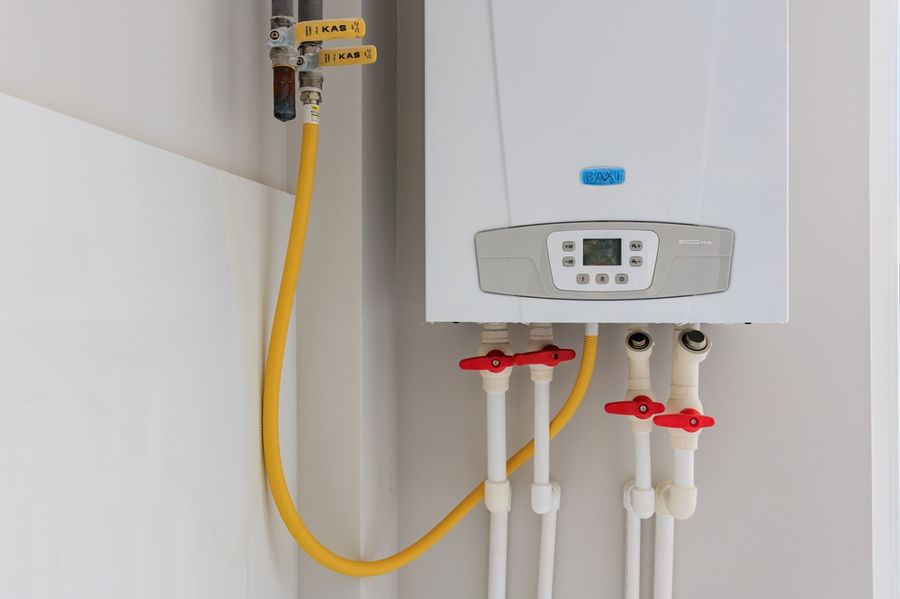
Hot water runs out mid-shower, and the old tank in the basement is showing its age. Replacing it can feel like an urgent decision, but modern water heating options create new questions for homeowners. Tankless water heaters promise energy savings, longer service life, and hot water on demand without storing a large tank. But the right choice depends on household habits, existing home infrastructure, climate, and whether the benefits justify the higher upfront investment.
What a Tankless Water System Actually Does
A tankless water heater unit heats water directly as it flows through the unit rather than storing gallons at a constant temperature around the clock. Cold water enters, passes over a gas burner or electric heating element, and exits hot in seconds. No storage tank means no energy lost keeping water warm while nobody uses it.
Gas-powered units are the most common choice for whole-home installations in the US because they handle higher flow rates. Electric models work well for smaller households or point-of-use applications, especially in warmer climates where incoming groundwater arrives closer to the target temperature.
A Common Misconception to Know
The most common misconception is that these systems deliver truly unlimited hot water to any number of fixtures running at once. They do not. Each unit is rated for a specific flow rate, measured in gallons per minute.
If combined demand across the home exceeds that limit, every fixture gets lukewarm output instead of hot. A household running two showers and the dishwasher simultaneously can hit that ceiling quickly.
What It Feels Like After Switching to a Tankless Water Heater
The first thing most people notice is not the efficiency improvement but the brief startup lag. Turn on the tap and the unit takes a few seconds to fire up and push hot water to the faucet. Homeowners who expected instant heat at every fixture are sometimes caught off guard.
The sustained performance is where these units stand out. A long shower, a full soaking tub, or an extended back-to-back laundry cycle will not exhaust an on-demand heater the way it drains a conventional tank. For households that regularly hit cold water at the tail end of a 40- or 50-gallon supply, the difference is immediately noticeable.
Maintenance is the piece most buyers underestimate. Hard water leaves mineral deposits on the heat exchanger over time, reducing efficiency and eventually triggering error codes. Annual descaling is standard practice in most US regions, and skipping it consistently shortens the unit's usable life.
Who These Units Serve Best
Not every household will get the same value from this upgrade. The trade-off consistently works out for these situations:
- A two-person household that regularly exhausts a traditional tank during back-to-back morning showers and wants continuous supply without upsizing to a physically larger tank
- A homeowner in a warmer-climate state, where incoming groundwater temperatures are higher year-round, reducing the workload on any heating system and improving overall efficiency
- A household replacing a unit in a newer home already equipped with the gas line size and venting configuration a tankless setup requires, keeping retrofit costs in check
- Someone converting a tight utility closet or small mechanical room where the compact, wall-mounted footprint of an on-demand unit would meaningfully free up usable floor space
Where It Falls Short
The upfront cost is genuinely higher than replacing a tank with another tank, and the full picture often gets more expensive once a plumber assesses what the home actually needs. Older homes may require larger gas supply lines, new venting runs, or electrical panel upgrades before installation can proceed. Those additions push the payback period out considerably.
Cold-climate homeowners face an additional constraint. Incoming water temperatures in northern states drop significantly in winter, and the colder the source water, the harder the unit has to work to reach the target temperature. This reduces effective output, meaning a unit sized for summer performance may fall short during peak winter demand. Sizing up in cold climates is often necessary, which adds cost.
An Alternative Worth Considering
A heat pump water heater deserves a real look for any homeowner prioritizing energy savings over continuous flow. These units draw heat from surrounding air rather than generating it directly, making them among the most efficient options available.
They tend to work best in unconditioned spaces like garages or basements that stay above freezing year-round. For households where running out of hot water is not the primary complaint, a heat pump unit may deliver a better outcome than an on-demand system.
What the Investment Actually Looks Like
The total cost of switching to an on-demand system breaks into two distinct pieces: the unit and the installation. Unit costs vary significantly based on fuel type, output capacity, and efficiency rating, but the unit alone is never the whole story. Installation is where the real variation lives, and it depends entirely on your home's existing infrastructure.
A home with a properly sized gas line and compatible venting already in place can be retrofitted at relatively modest labor cost. A home that needs new venting runs, a larger supply line, or a panel upgrade will see installation costs that can match or exceed the equipment itself. Getting written bids from at least two licensed plumbers before committing is the only reliable way to know what your specific home requires.
The long view tends to favor these systems. With proper maintenance, a tankless unit typically lasts 15 to 20 years or more, considerably longer than most conventional tanks.
Is This the Right Move for Your Home?
If you own a home built within the last two decades with a modern gas line and compatible venting already in place, and your household regularly runs out of hot water, the upgrade makes practical sense. The infrastructure costs are manageable, the need is genuine, and the efficiency and lifespan advantages are real. This is the situation where the investment tends to pay off over time.
If you live in an older home with original plumbing and a smaller gas supply line, a pre-installation infrastructure assessment is essential before you commit to any equipment. A written assessment from a licensed plumber, before any equipment is ordered, is worth every cent.
If your primary goal is cutting energy use rather than solving a continuous supply problem, and you have an unconditioned space like a garage, basement, or laundry room that stays above freezing year-round, a heat pump water heater is worth a side-by-side quote. It serves a different purpose than a tankless setup, but for energy-first households, it often delivers a stronger result. Both deserve a real evaluation before you decide.
Frequently Asked Questions
Q: How much more efficient is a tankless system compared to a conventional tank? For homes using modest amounts of hot water daily, on-demand units can be 24 to 34 percent more energy-efficient than conventional storage tank models, according to the U.S. Department of Energy. Households with higher daily usage see smaller but still real efficiency gains. Actual savings depend on fuel type, local utility rates, and how well the unit is sized for the household.
Q: Can a tankless unit actually run out of hot water? These systems do not store hot water, so they cannot empty the way a tank does. They can, however, be overwhelmed if simultaneous demand across the home exceeds the unit's rated flow capacity. Proper sizing for peak household demand is the most important step in avoiding that problem.
Q: How long does an on-demand heater typically last? With regular maintenance, including annual descaling in hard-water areas, these units commonly last 15 to 20 years or more. That is a meaningful advantage over conventional tanks, which typically reach the end of their service life after 10 to 15 years. The longevity difference is one of the stronger arguments for the higher initial investment.
Making the Right Water Heater Decision for Your Home
A tankless water heater can be a smart upgrade for homeowners who frequently run out of hot water, need to save space, or are replacing an outdated system with compatible infrastructure already in place. However, the higher installation cost and potential upgrade requirements make it a decision that deserves careful evaluation.
The best choice depends on what problem needs solving. A household that wants continuous hot water may value an on-demand system, while someone focused mainly on reducing energy use may find a heat pump water heater more appealing. Understanding your home's setup, usage patterns, and long-term goals is the key to choosing a system that delivers real value.
We created this article in conjunction with AI technology, then made sure it was fact-checked and edited by a TopicTangent editor.